01
Listen & observe
Start with people and the contexts they inhabit. Explore needs, behaviors, perceptions, and everyday experiences.
Surveys · Observation · Occupant feedback
We explore how the spaces we design and the technologies we use can support human well-being and a more sustainable built environment.
Explore our researchBegin with people: their comfort, perception, and everyday experience of a space.
CONCEPTUAL SPATIAL MODEL SELECT A PERSPECTIVE
Prototypes, immersive experiences, and the environments we study. Select an image for a closer look.
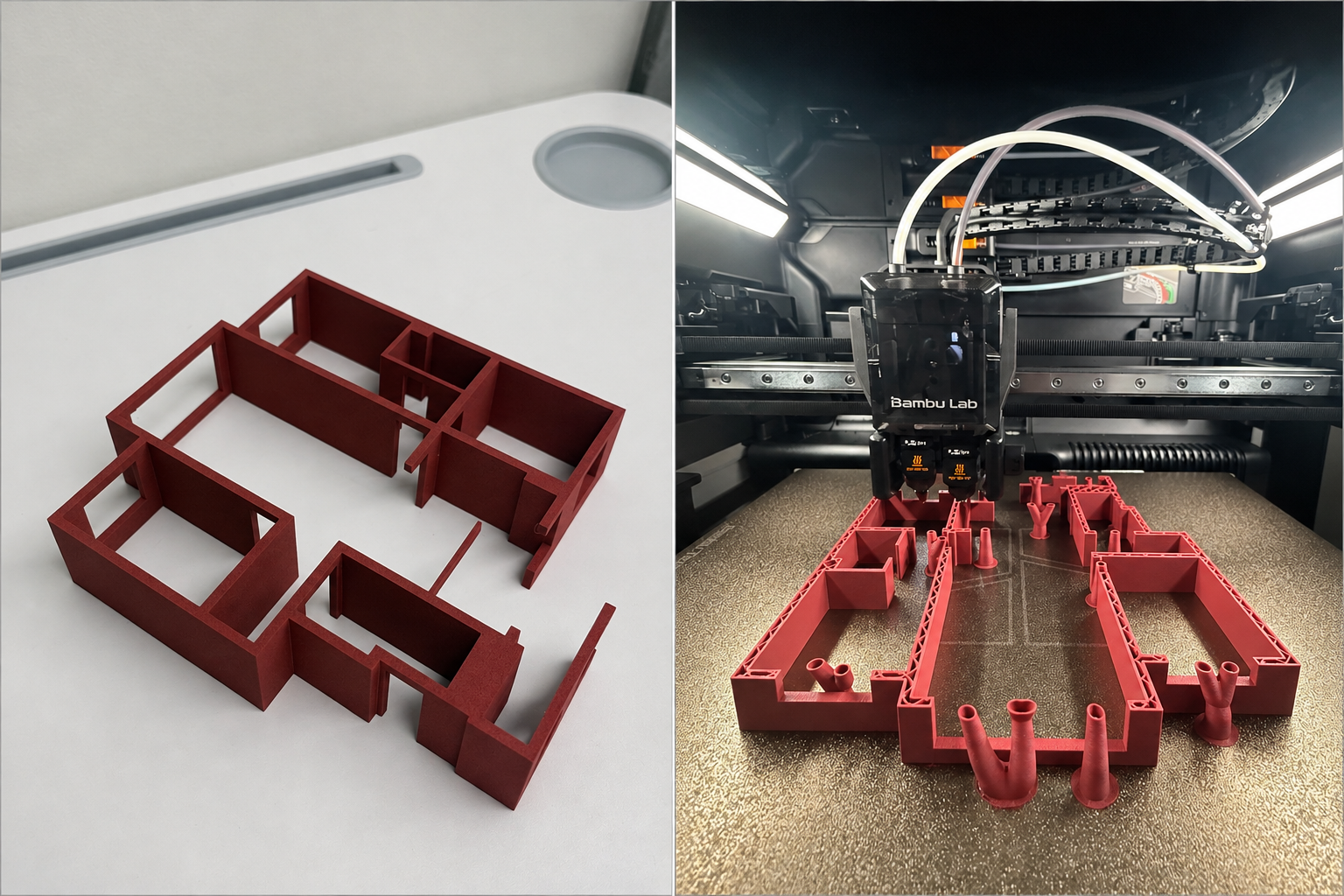
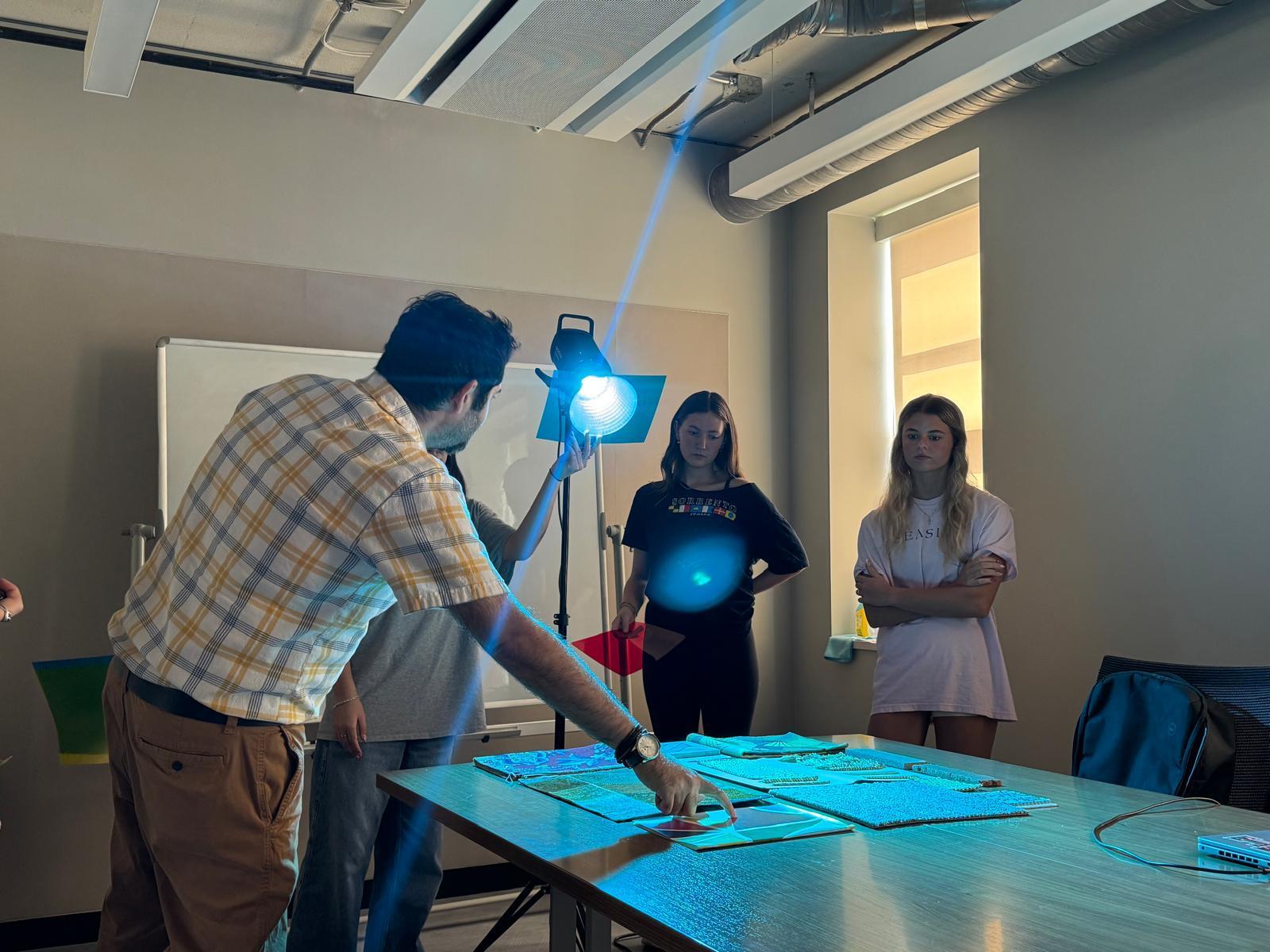
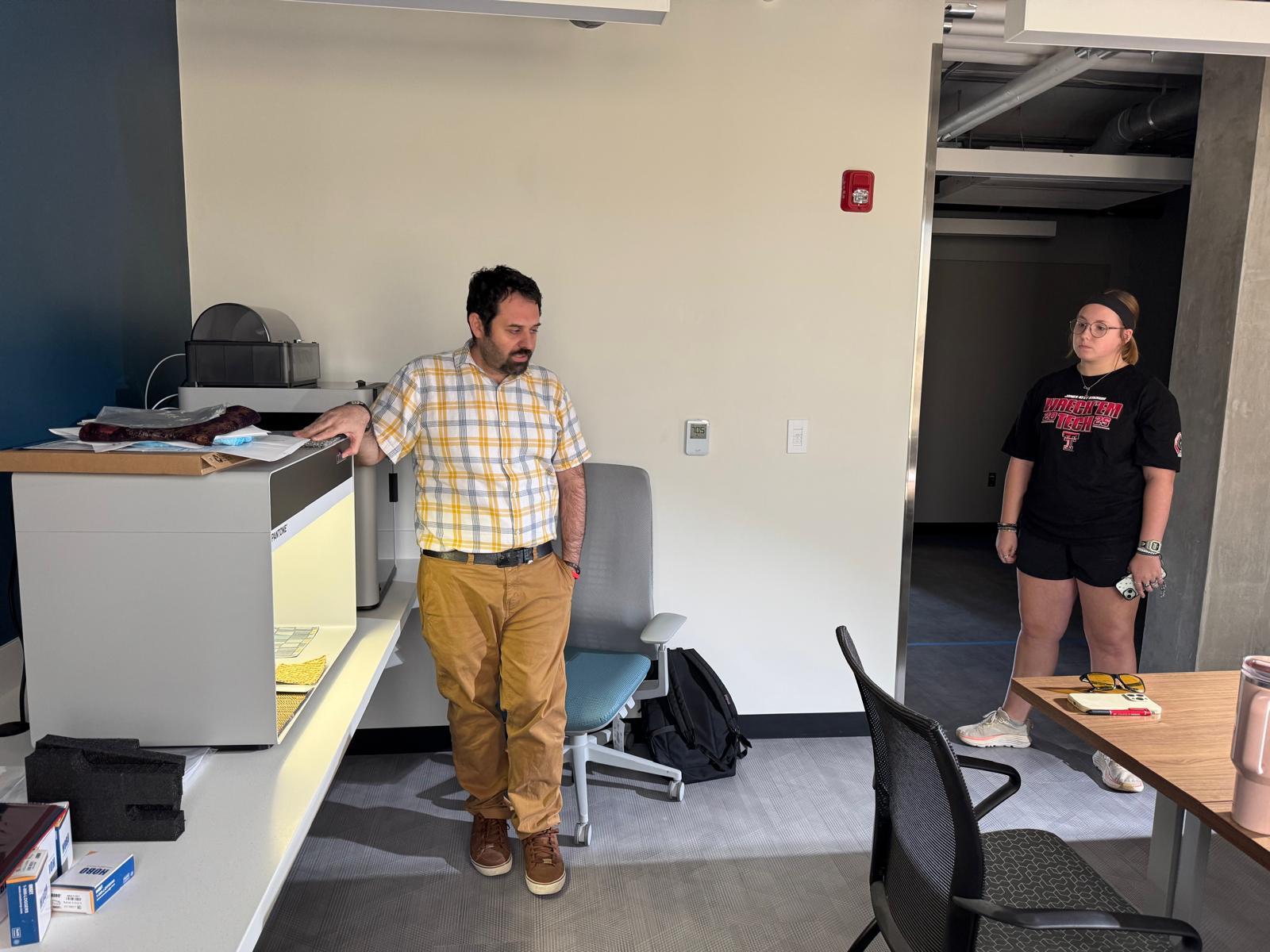
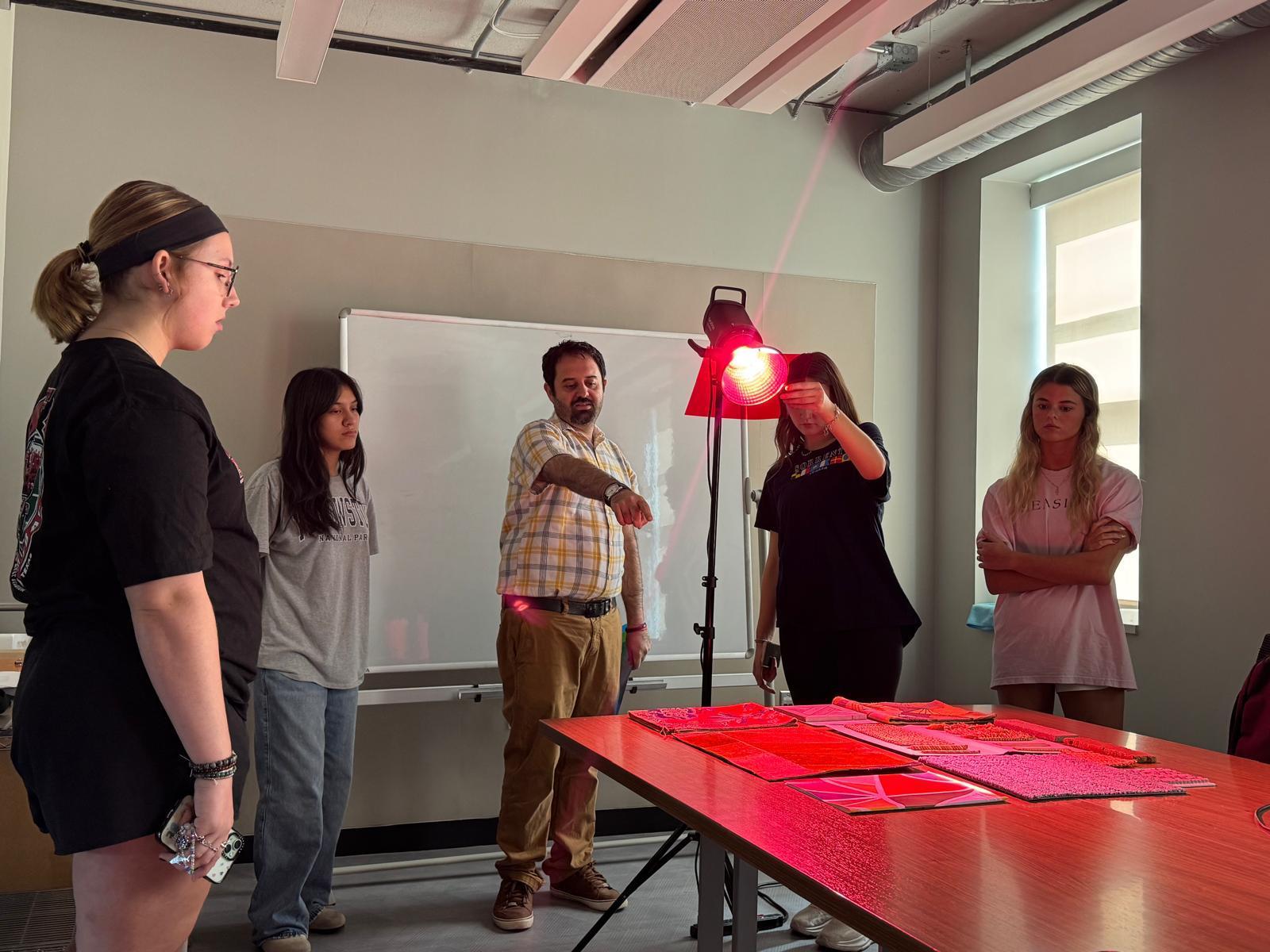
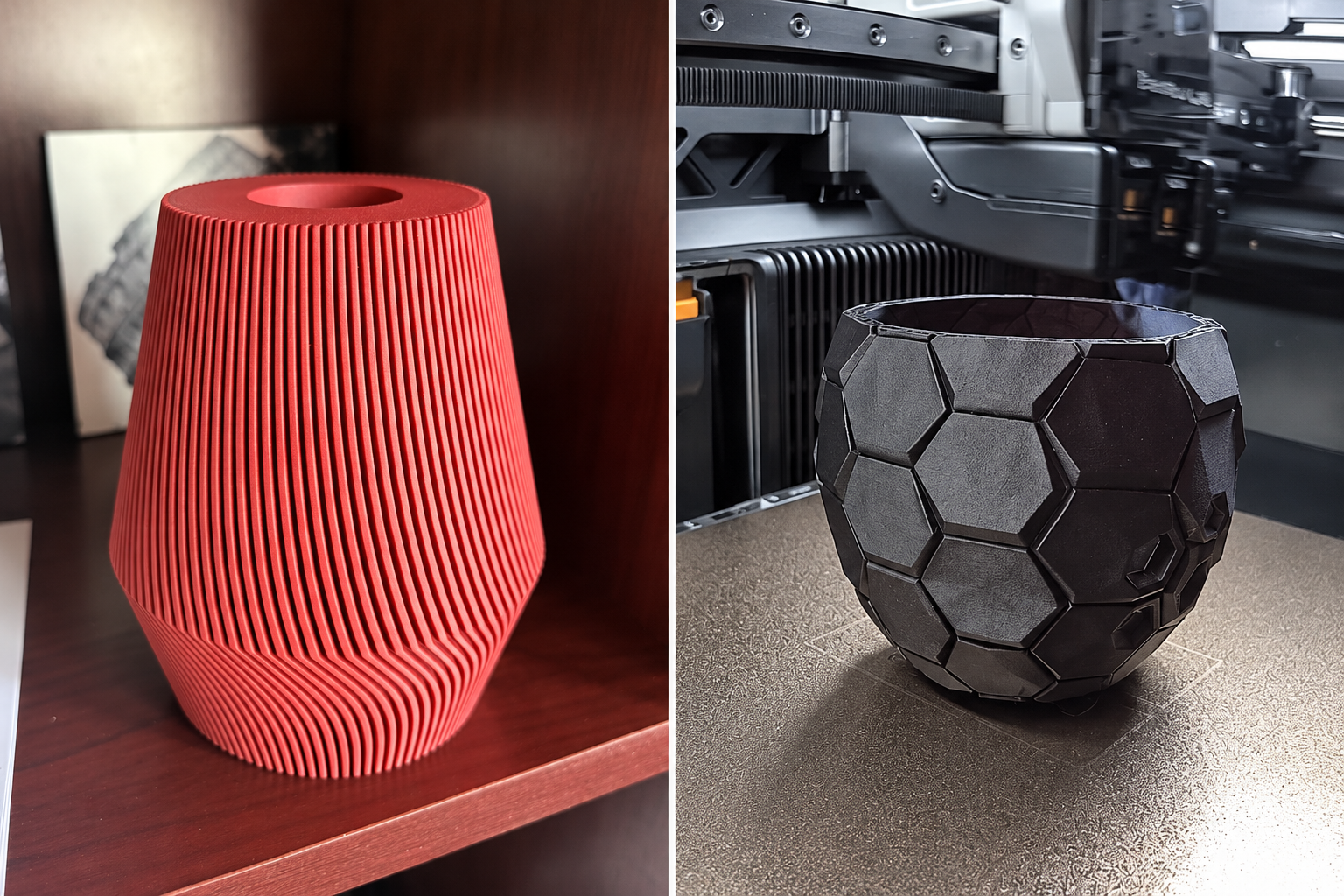
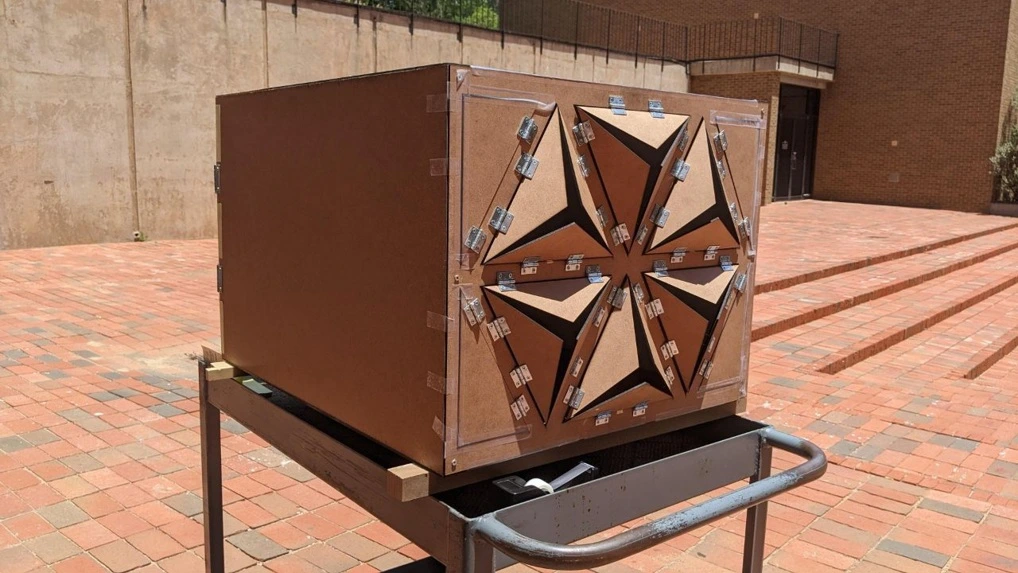
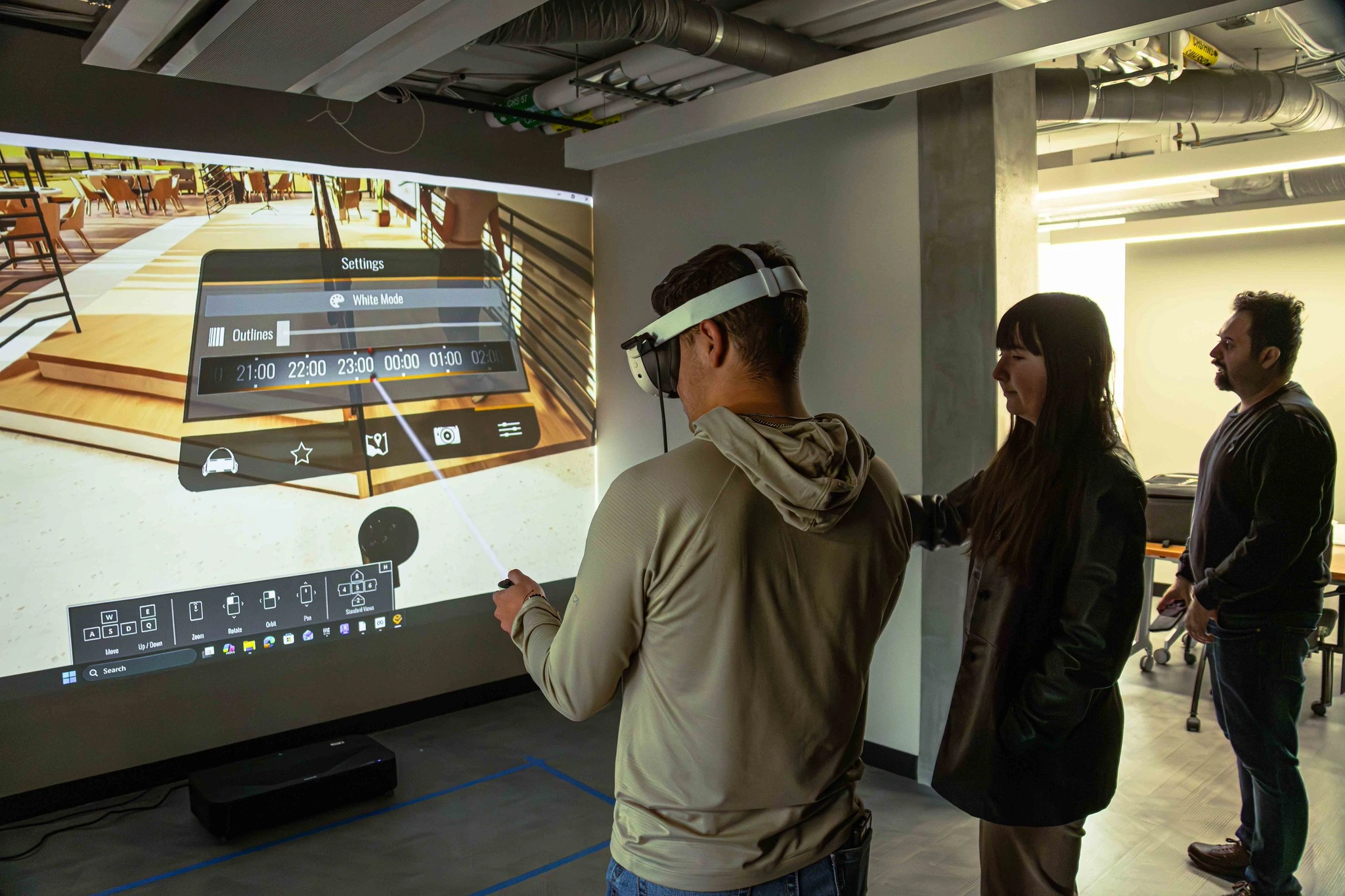
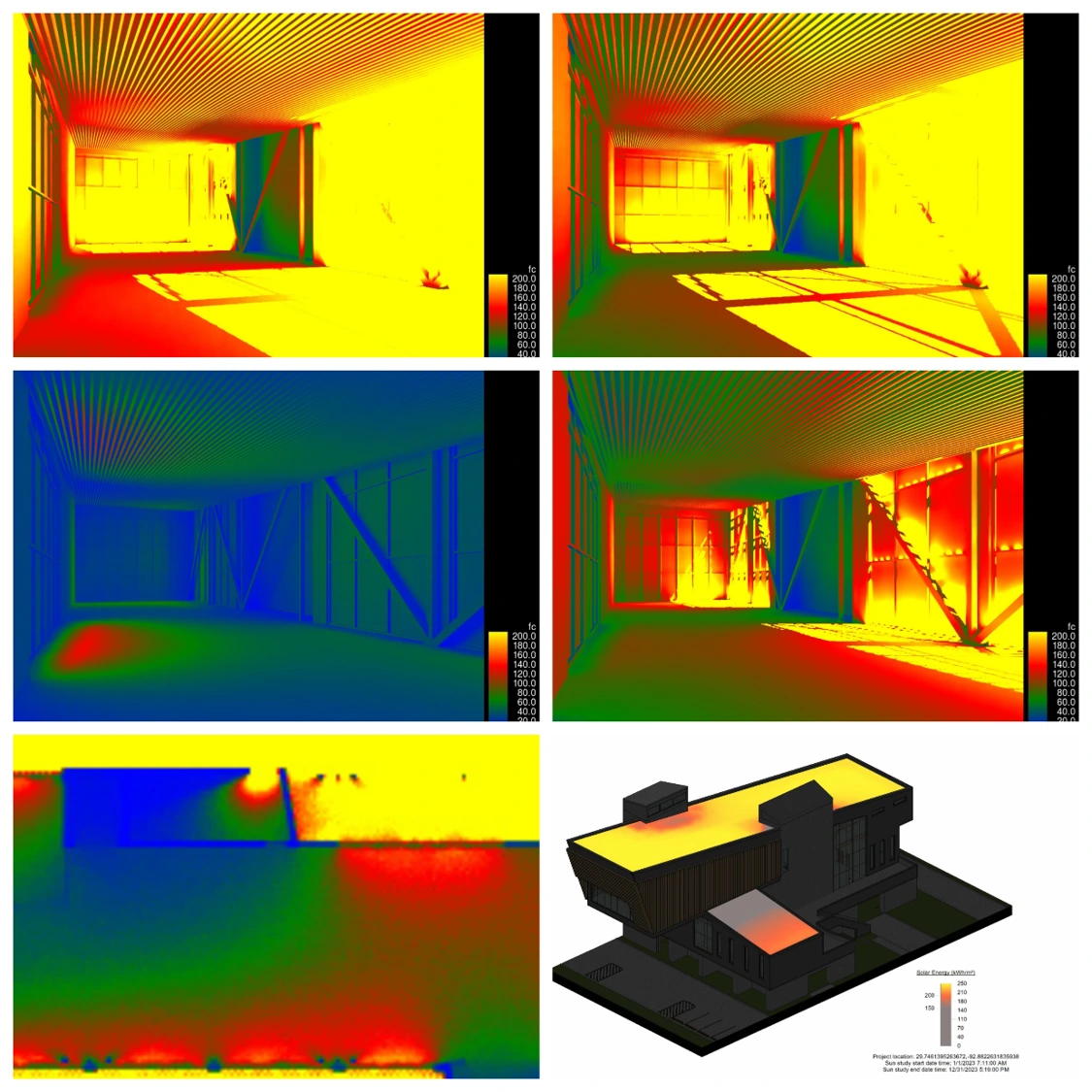
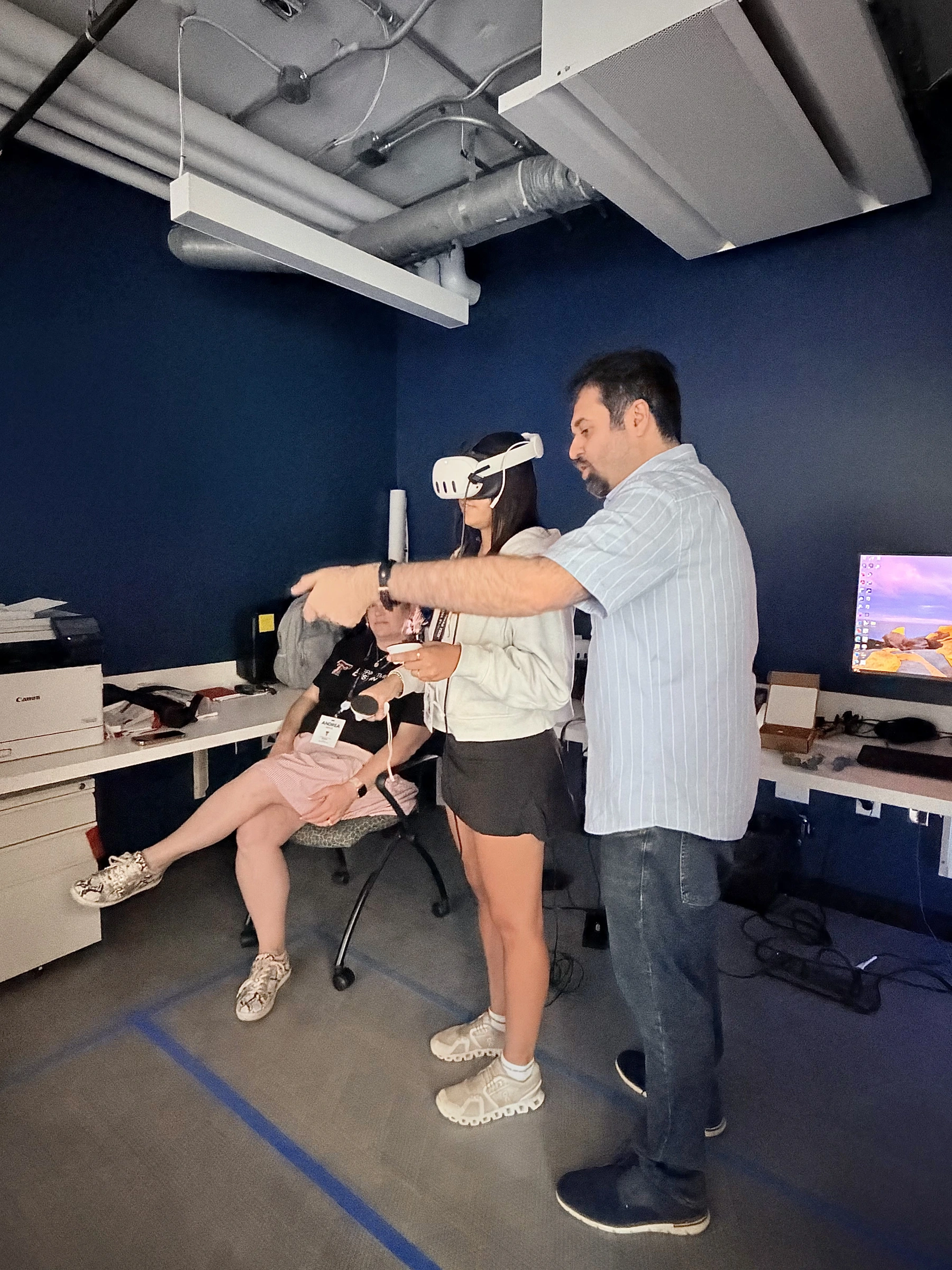
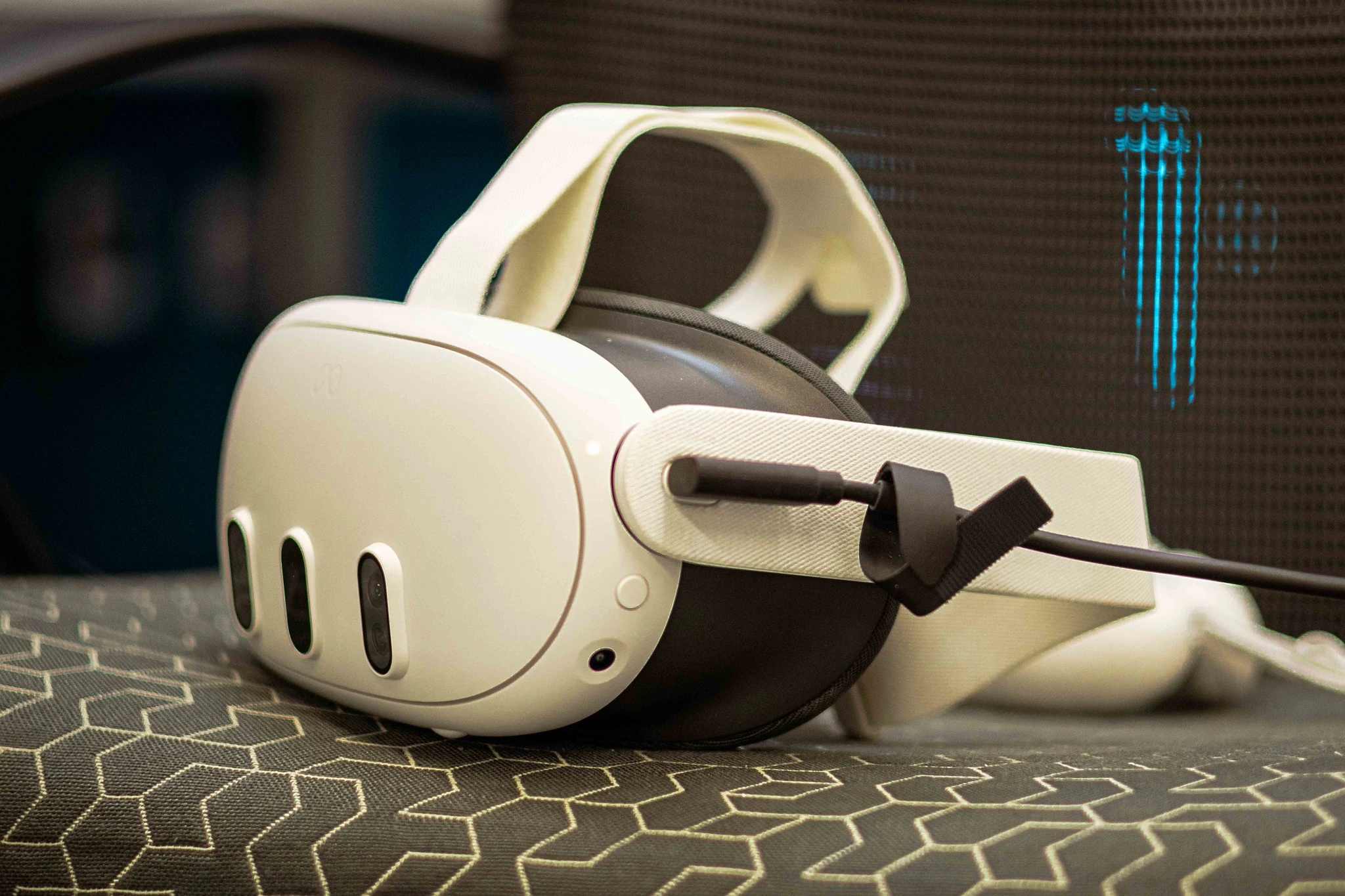
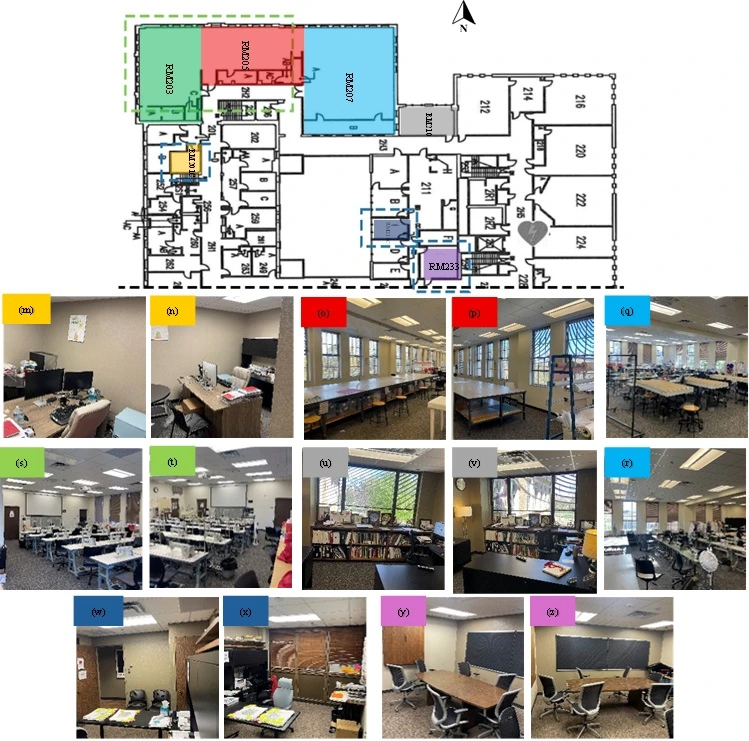
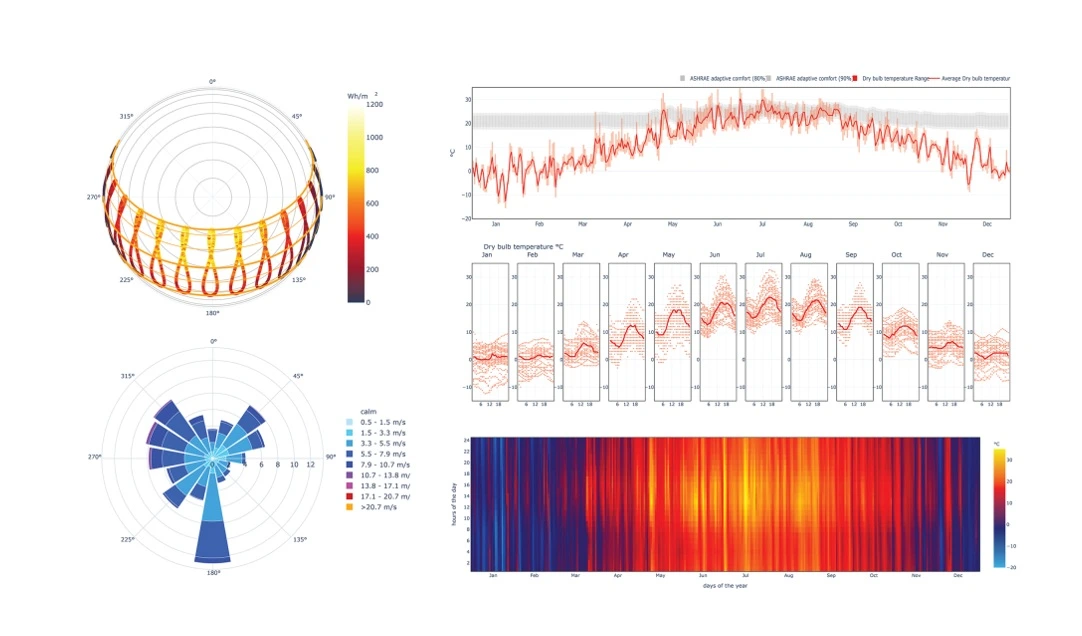
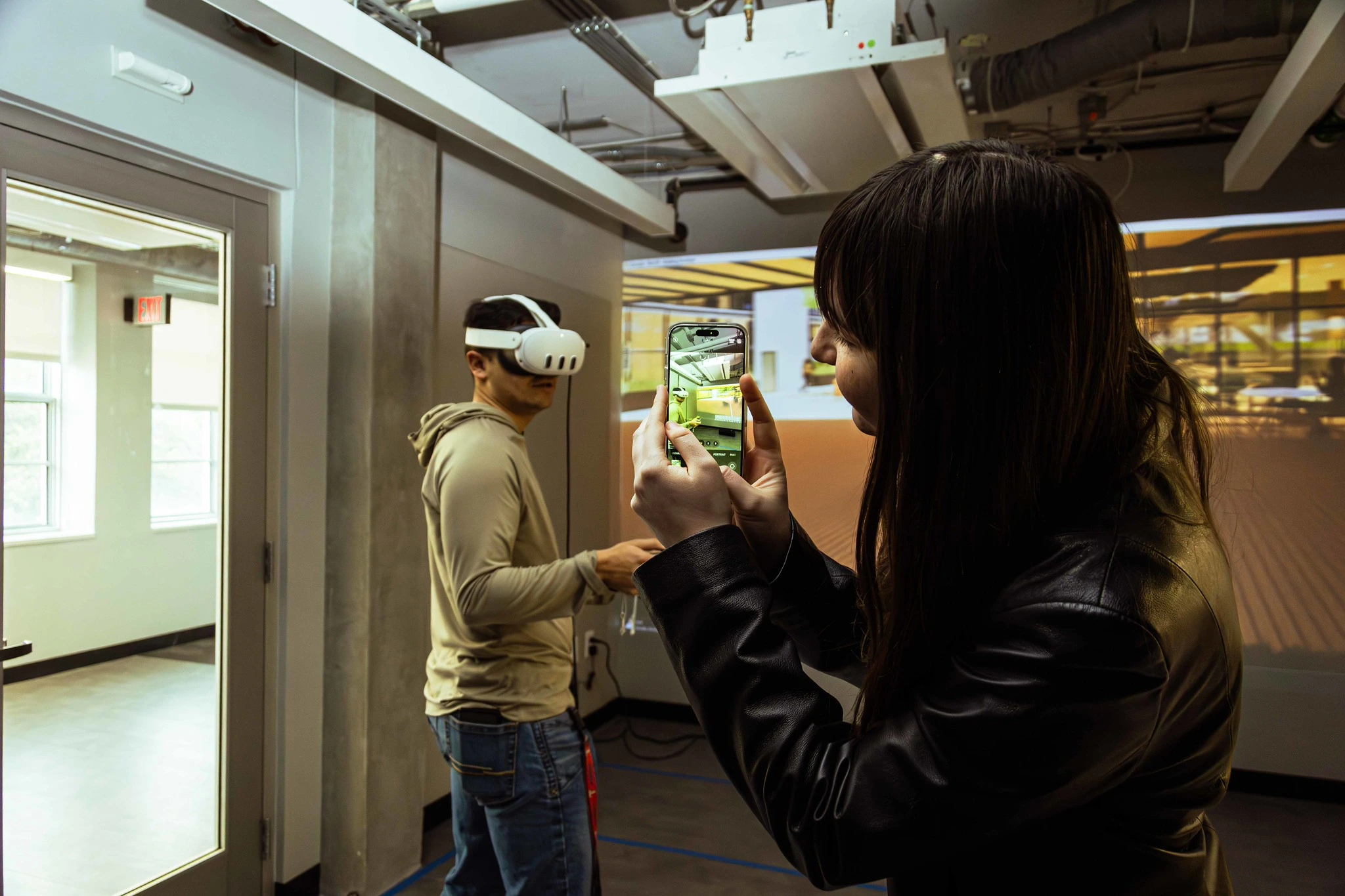
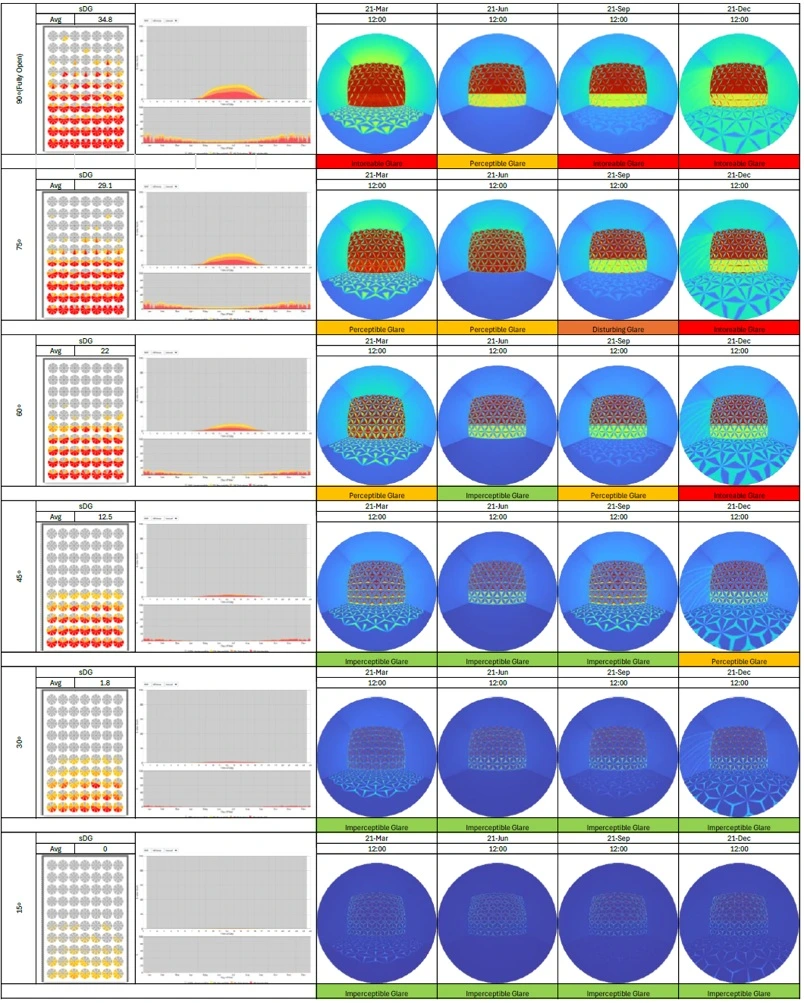
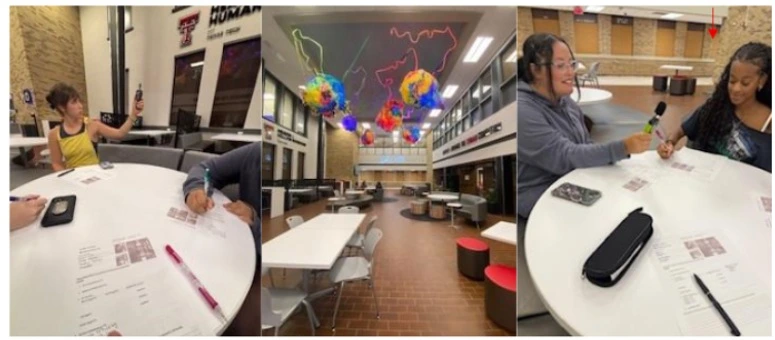
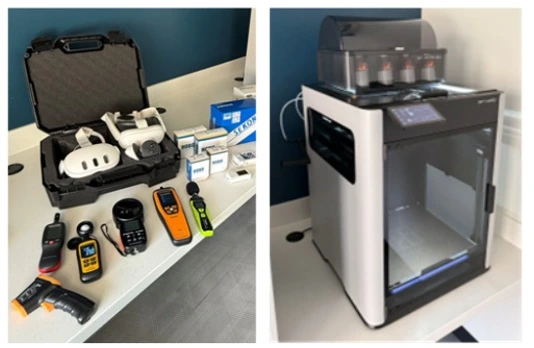
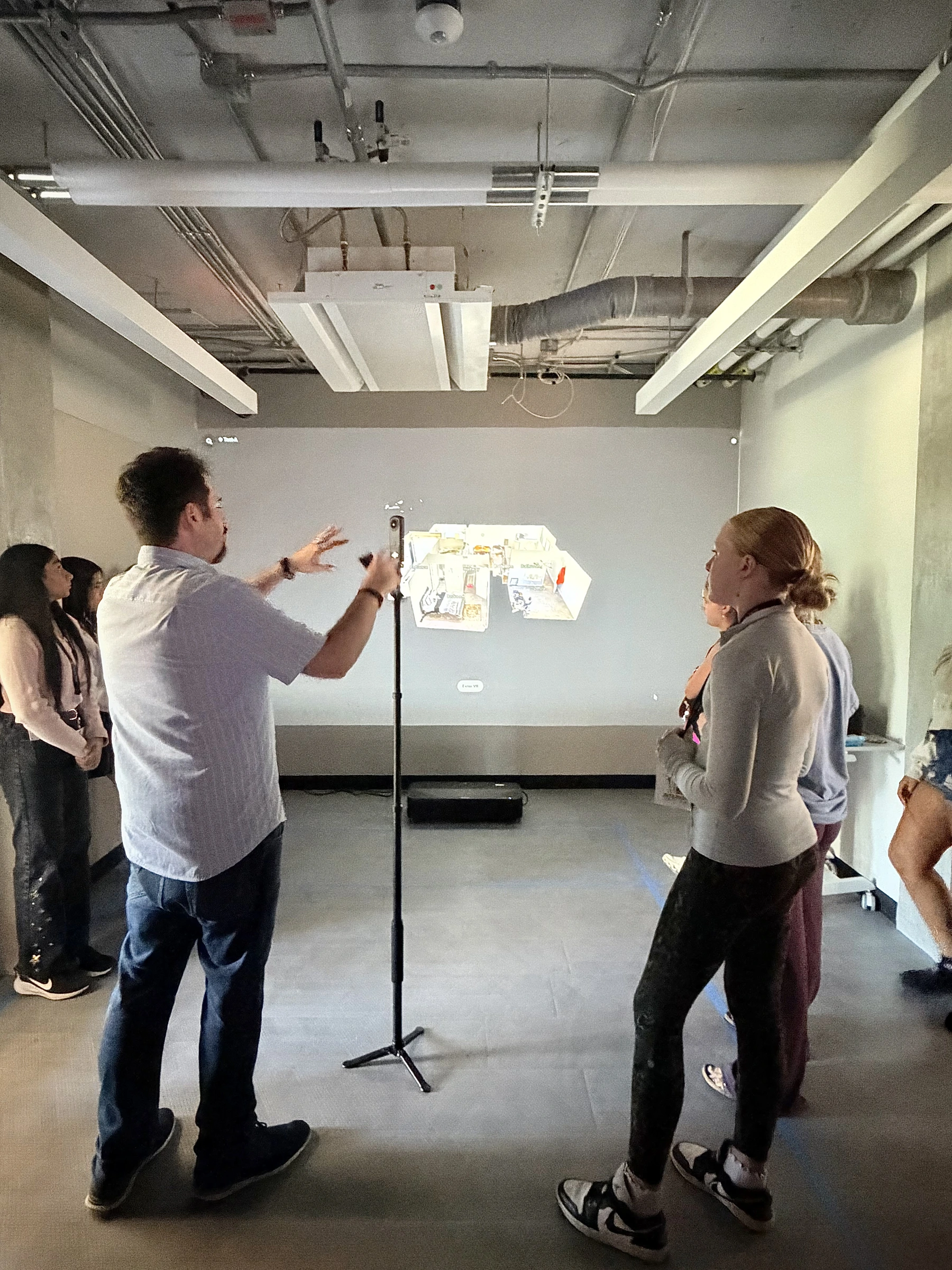
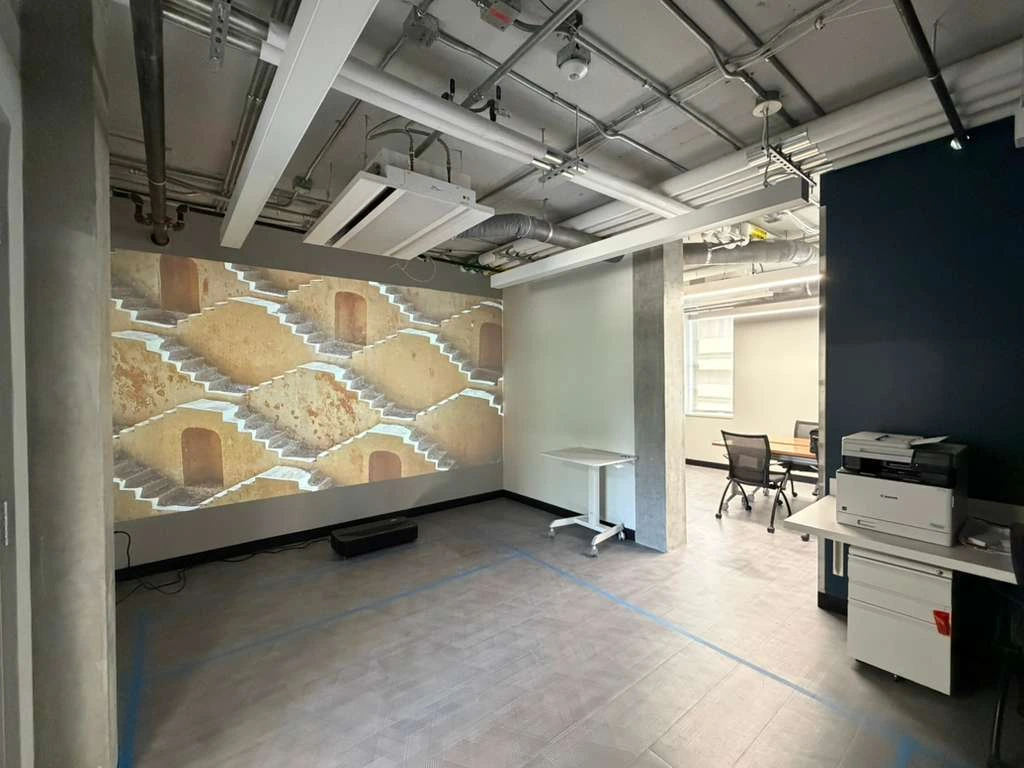
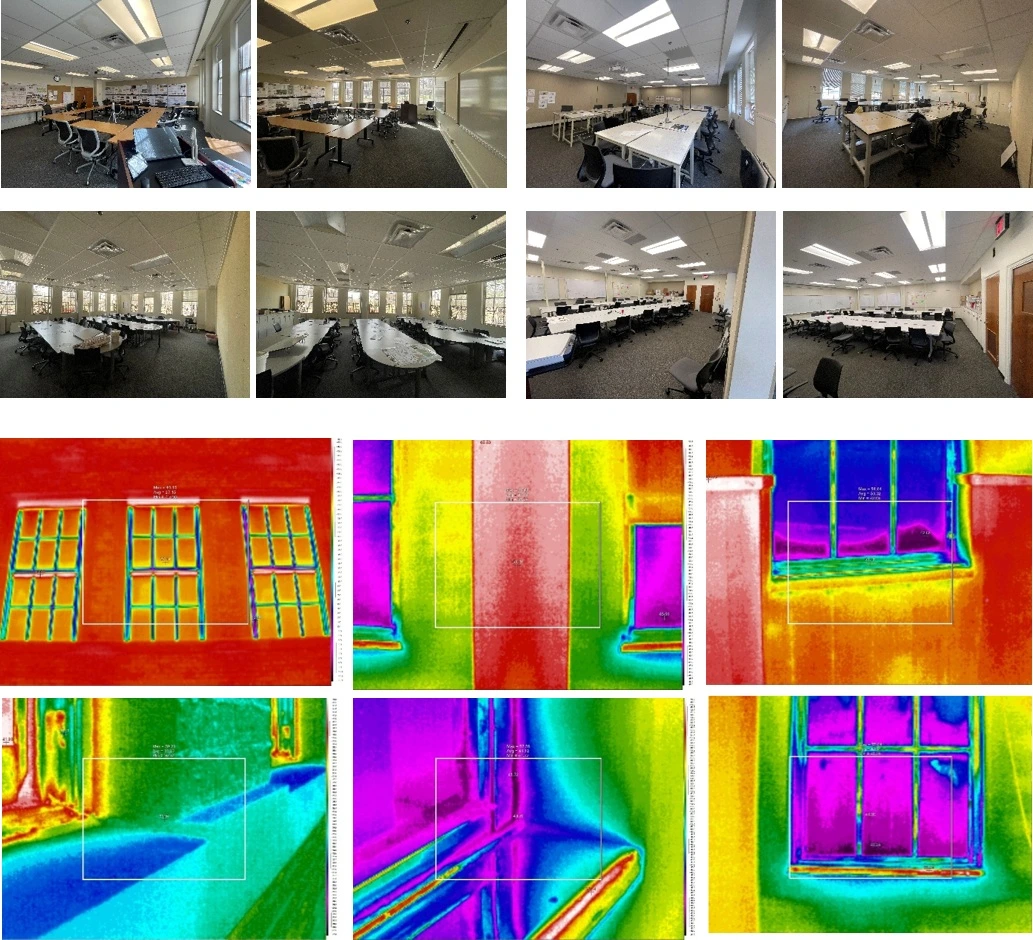
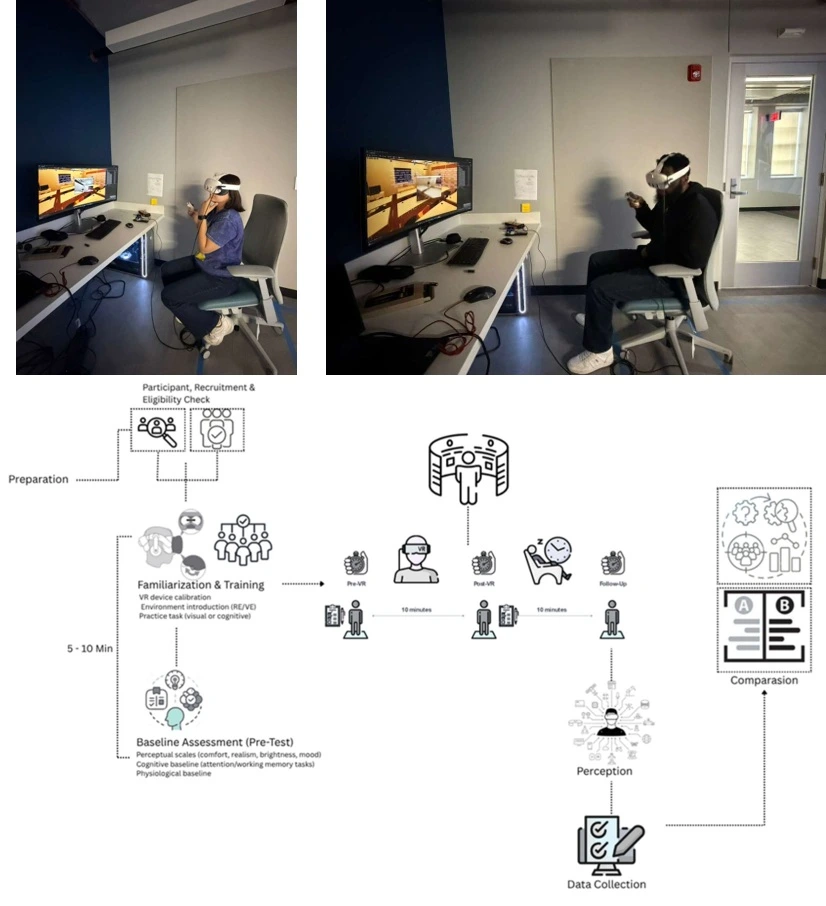
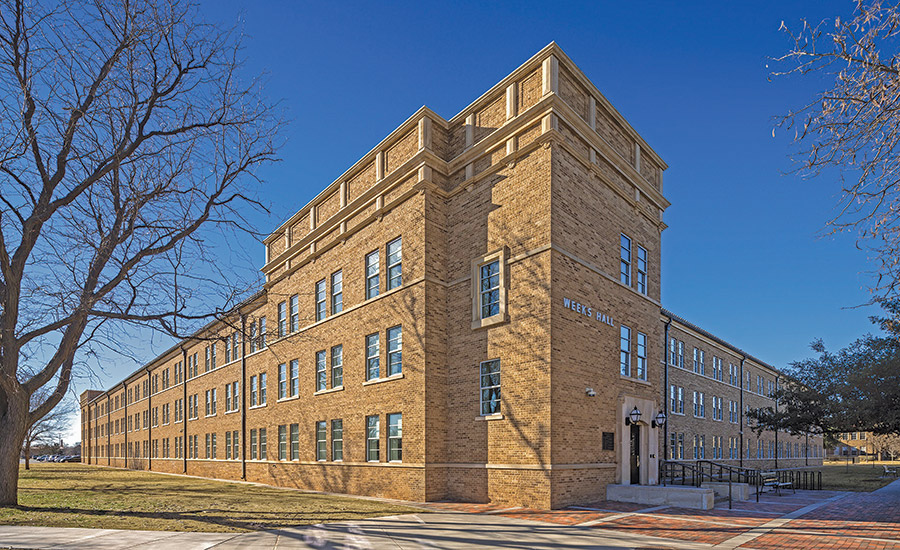
Explore the spaces where we investigate the connections between people, environments, and technology. Take a virtual tour of HEaT Lab at Texas Tech University.
Start virtual tour Interactive 360° experience · Opens in a new tabEvery environment is a human experience.
We want to understand it and help make it better.
The Human, Environment and Technology (HEaT) Lab brings a human-centered perspective to the built environment. Our research lens connects how spaces perform with how people perceive, use, and experience them.
Across architecture, environmental design, and emerging technology, we explore questions that connect human well-being with sustainability, from the quality of indoor environments to the ways we evaluate and imagine future spaces.
Understanding environments means looking across disciplines. These interconnected themes frame the questions we explore.
Open a theme to take a closer lookHow can design support environmental responsibility and human well-being together?
Exploring energy efficiency, climate-responsive design, and biophilic approaches to create healthier, more sustainable built environments.
How do light, temperature, air, and sound shape comfort and the experience of a space?
Connecting environmental conditions with occupant feedback through measurement and post-occupancy evaluation.
How can buildings respond to their climate while supporting the people inside?
Exploring energy modeling, passive strategies, materials, and responsive building envelopes to inform design decisions.
How can emerging tools help people experience and evaluate design before it is built?
Exploring virtual and augmented reality, computational design, and AI-assisted workflows to compare possibilities and understand human responses.
Bring the physical and digital worlds into the same conversation. Ask, observe, test, and learn.
Start with people and the contexts they inhabit. Explore needs, behaviors, perceptions, and everyday experiences.
Surveys · Observation · Occupant feedbackConnect environmental measurements with simulations to understand how a space performs and why it matters.
Field measurement · Sensing · SimulationCompare design possibilities, investigate trade-offs, and bring what we learn back into the next iteration.
Prototyping · Immersive tools · Design studiesA continuous exchange between human experience and environmental performance.
Revisit the research themesOur shared curiosity connects people, environments, and technology.

Founder & Director
Assoc. AIA, RID, LEED AP BD+C, WELL AP
Department of Design, College of Health and Human Sciences, Texas Tech University
Mehdi Ghiai founded and directs the Human, Environment and Technology (HEaT) Lab. His research connects sustainable design, building performance, and indoor environmental quality with human experience.
Sustainability · Building performance · Human well-being · Immersive technology

Ph.D. Student
Interior and Environmental Design
Ph.D. Candidate
Interior and Environmental Design

Ph.D. Candidate
LPMD
2026 journal articles by Mehdi Ghiai and collaborators. Expand below to explore all publications from 2021–2026.
27 publications
Ain Shams Engineering Journal, 17(12), 104473
Discover Sustainability · Article in press
Published online September 27, 2026.
WORK: A Journal of Prevention, Assessment & Rehabilitation · OnlineFirst
Frontiers in Built Environment, 12, 1837203
AMCIS 2026 Proceedings · SIG ED, paper 1449
Emergent Research Forum (ERF) paper.
Frontiers in Built Environment, 12, 1801730
ARCC 2025 Conference: Emerging Challenges, pp. 423–428
2025 conference; proceedings published in 2026. Link opens the full proceedings PDF.
ARCC 2025 Conference: Emerging Challenges, pp. 491–500
2025 conference; proceedings published in 2026.
EAAE/ARCC 2024: Architecture Into the Unknown · EAAE Joint Publishings
2024 conference; publisher record dated April 7, 2026.
The International Journal of Climate Change: Impacts and Responses, 18(1)
Journal of Information Technology in Construction (ITcon), 30, 1478–1496
Sustainability, 17(13), 6179
Building Technology Educators’ Society 2025 Proceedings, pp. 130–137
SASBE 2024 Proceedings · Lecture Notes in Civil Engineering, 591, 968–977
2024 conference; first published online April 20, 2025.
Multiphysics and Multiscale Building Physics · Lecture Notes in Civil Engineering, 554, 479–485
Publisher citation year: 2025; first published online December 6, 2024.
Creative City Design, 7(1), 16–28
The International Journal of Architectonic, Spatial, and Environmental Design, 19(1), 169–193
First published online October 1, 2024.
The International Journal of Design Management and Professional Practice, 17(2), 57–80
Education Sciences, 13(1), 10
2023 journal issue; first published online December 22, 2022 (the year listed on Google Scholar).
PLEA 2022: Will Cities Survive? · Book of Proceedings, Vol. 1 (Online Sessions)
Listed under the 2022 conference year in the coauthor’s publication record.
International Journal of Low-Carbon Technologies, 16(2), 672–682
Islamic Art Studies, 18(42), 394–408
Article in Persian; publisher’s English title and author spellings shown.
International Journal of Low-Carbon Technologies, 16(1), 21–34
2021 journal issue; first published online May 28, 2020.
No publications match these filters. Try a different year or publication type.
Tools and experiences that bring the built environment into focus.
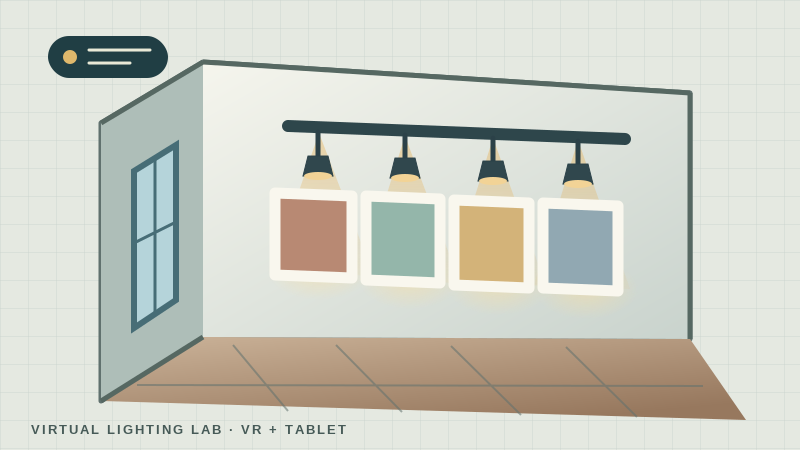
Explore lighting design in an interactive 3D studio on a tablet or Quest 3. Adjust intensity, color temperature, beam angle, fixture spacing, and gallery track lights.
Enter lighting lab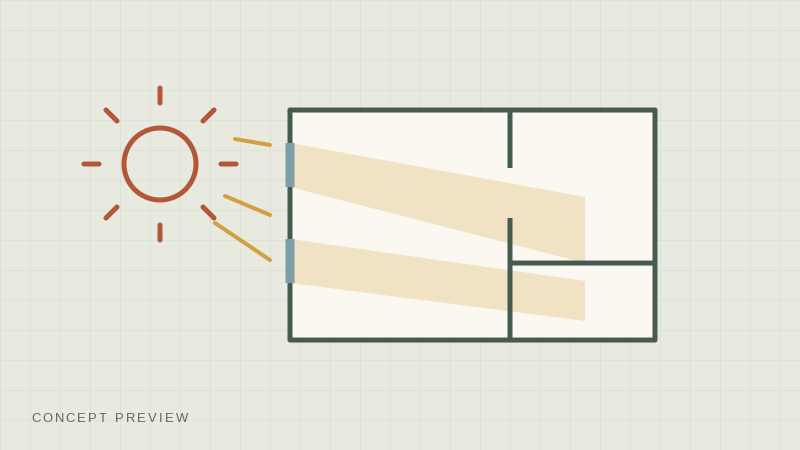
Explore how daylight reaches interior spaces and informs design decisions.
View project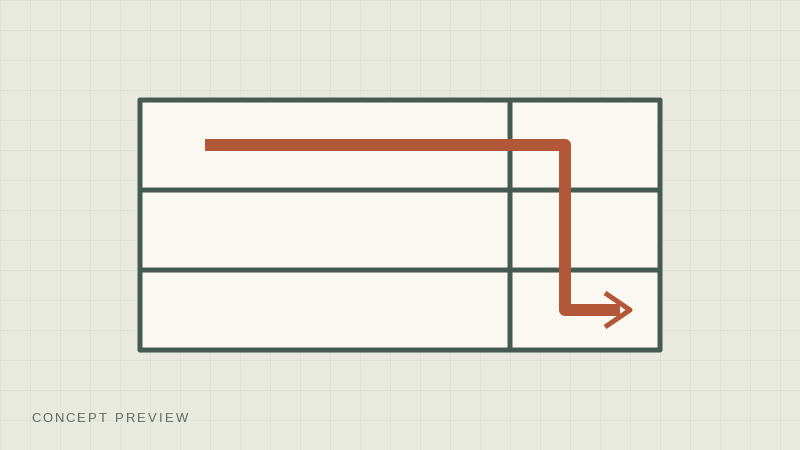
Explore building code concepts through visual explanations and narrated examples. These resources connect code requirements with design decisions.
View project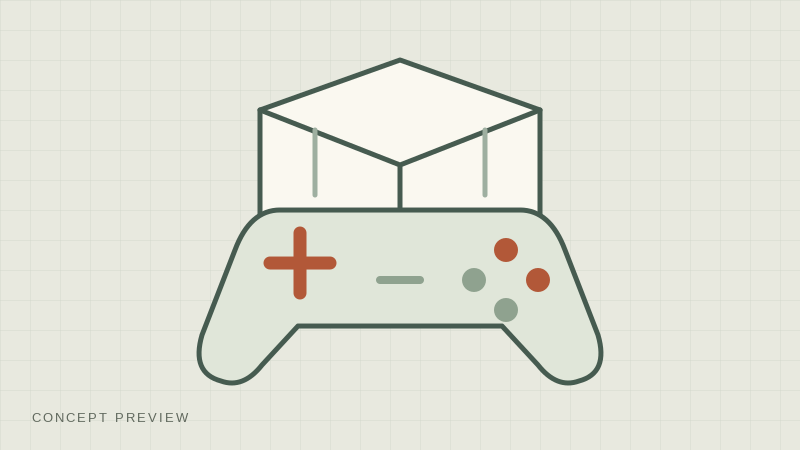
Explore building systems through game-based learning. Try “Find the Building Problem” as an interactive way to engage with the subject.
View project
Explore buildings and interior environments through virtual tours and guided video walkthroughs. These experiences invite closer observation of spaces, systems, and design decisions.
View project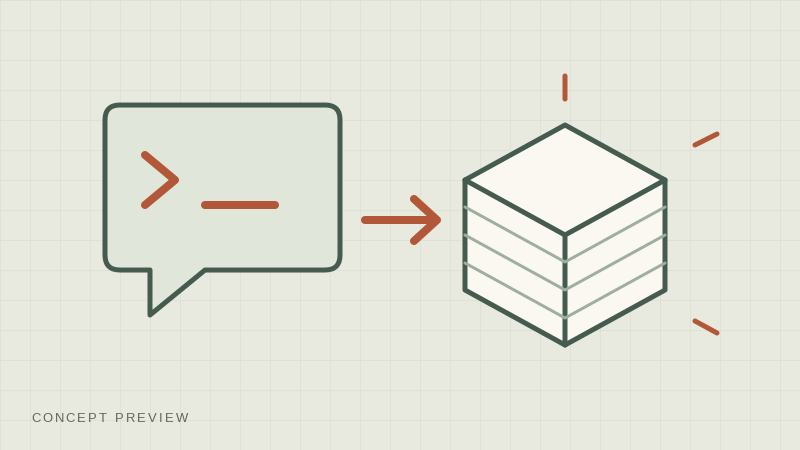
A workshop series supported by a SoTL mini-grant awarded to Dr. Mehdi Ghiai. Students learn to develop AI-assisted workflows that turn ideas into digital and physical prototypes.
View projectMeaningful research connects perspectives. The HEaT Lab brings together questions from design, building science, and technology around a shared interest in people and their environments.

Interested in research, learning, or collaboration?
Room 233A, Weeks Hall
Department of Design
Texas Tech University